/JLS%C2%AE_MasterLogo_Navy.png)
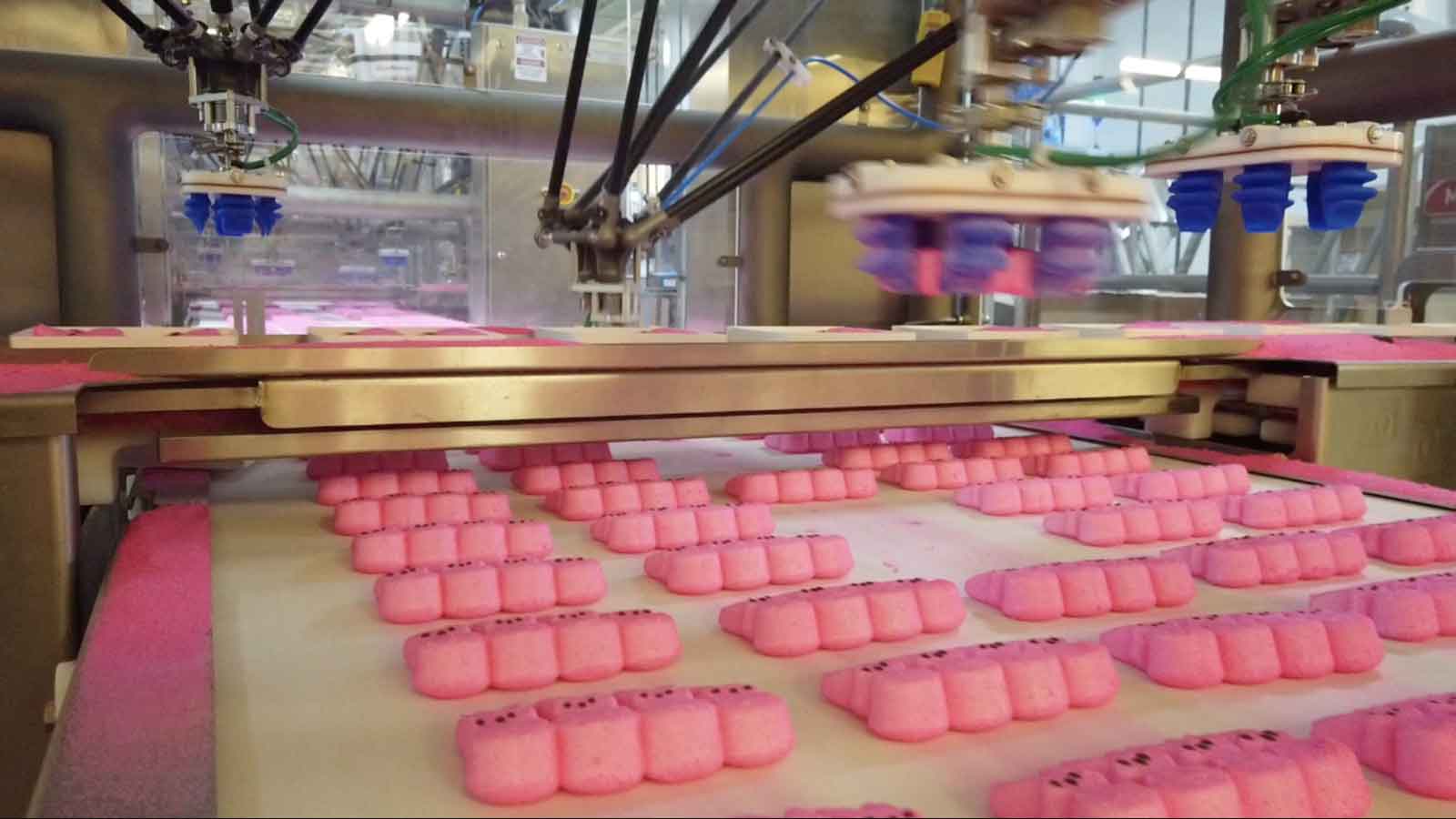
What "Designed to Get Wet" Actually Means — and Why It Matters for Food Packaging Automation
Every robotic packaging equipment company says their machines can handle washdown environments. Very few of them ...
Engineering perspectives on robotic food packaging — application deep-dives, ROI analysis, sanitary design, and the thinking behind every JLS line.
Every robotic packaging equipment company says their machines can handle washdown environments. Very few of them ...
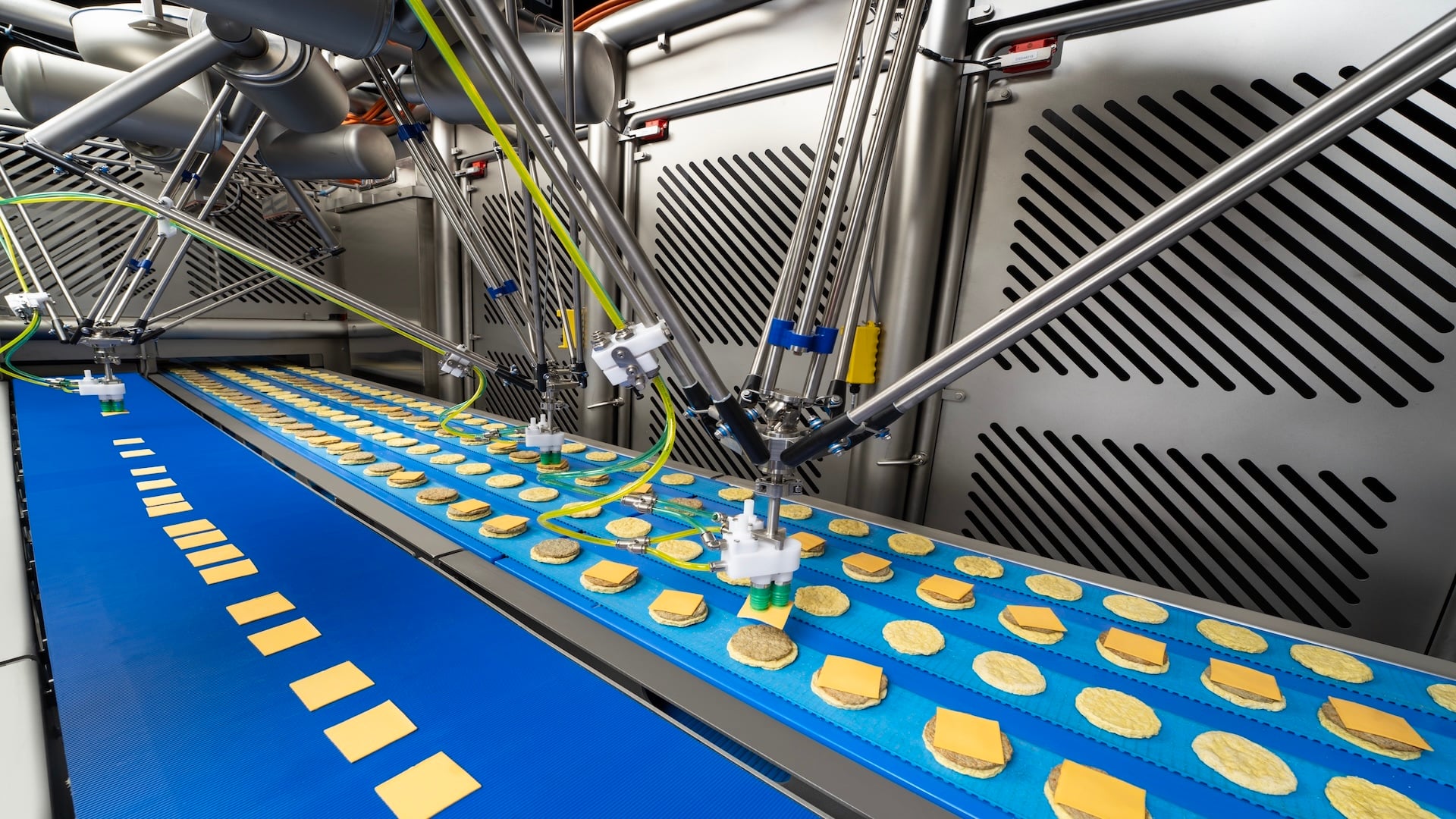
If your product comes in a rigid container — a carton, a clamshell, a tub, a cup, a bottle, a jar, or a can — you ...
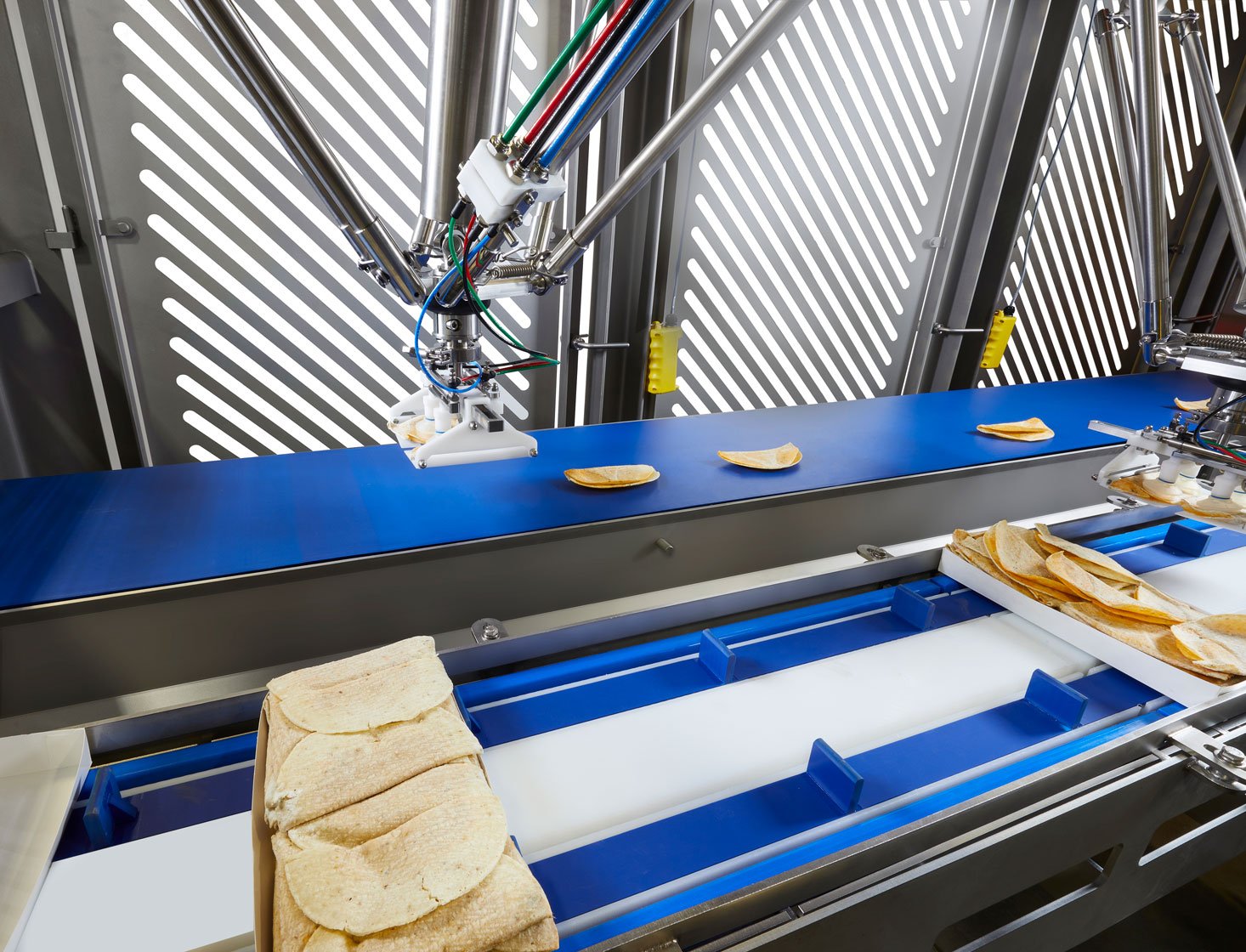
Most chub producers don't have a packing problem. They have a line balance problem.
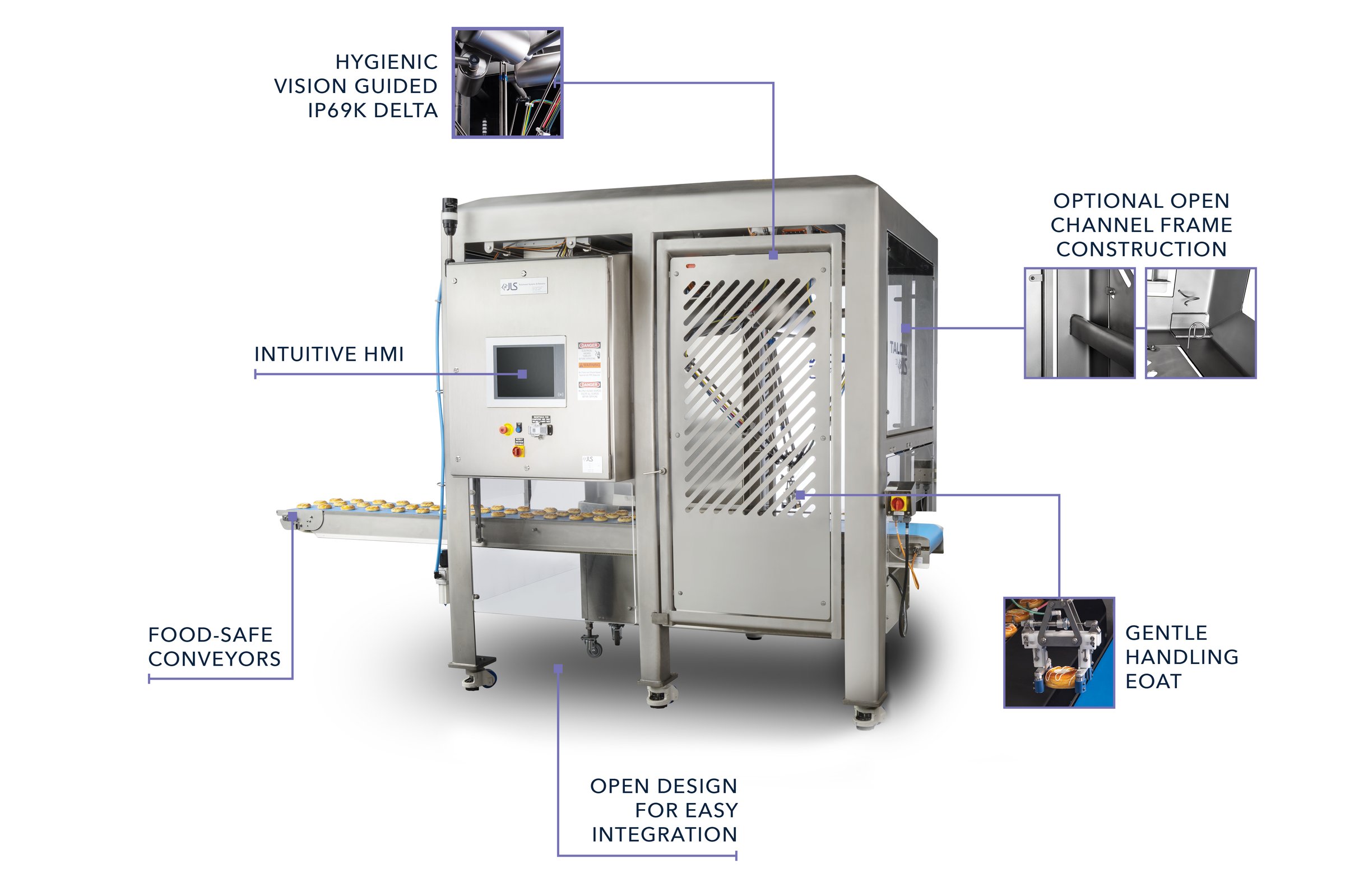
Vacuum tooling is the hands of a robotic case packer. If the tooling can't reliably acquire and hold the product at ...
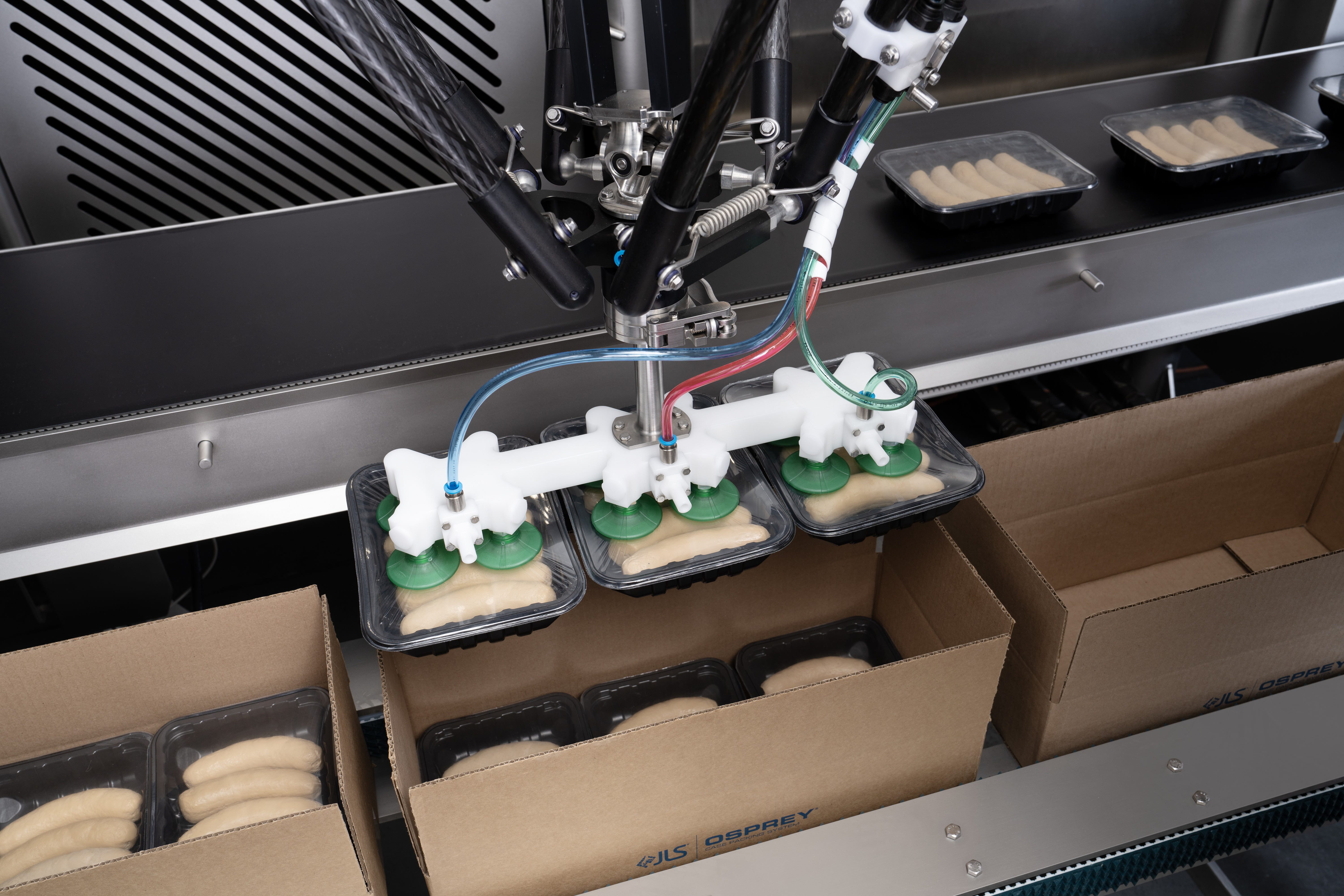
When you're case packing pouches — pillow bags, stand-up pouches, vacuum packs, or thermoformed flexible packs — one of ...
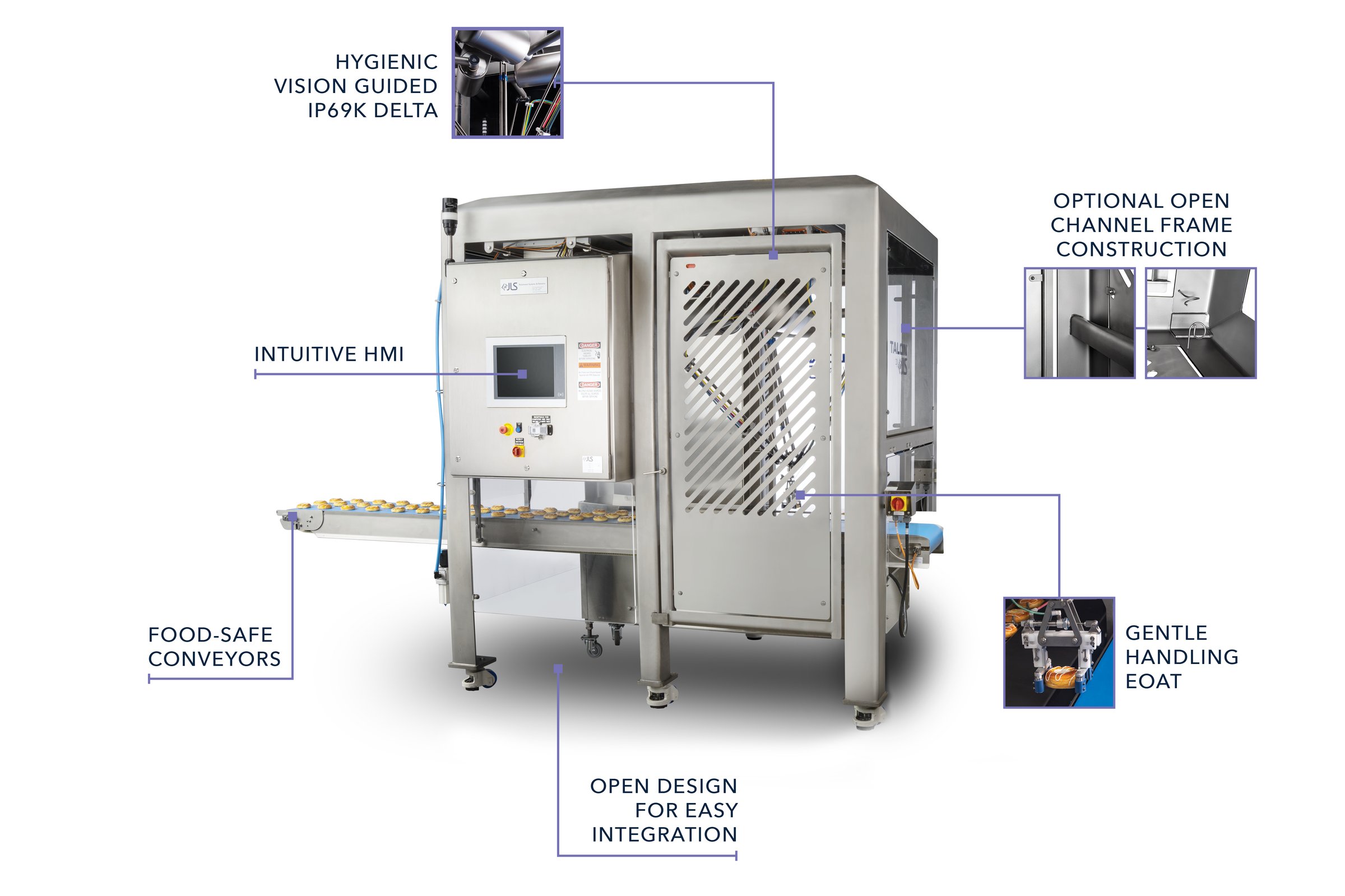
A robot is only as capable as its end-of-arm tool. The EOAT — the gripper, the vacuum tool, the mechanism that actually ...
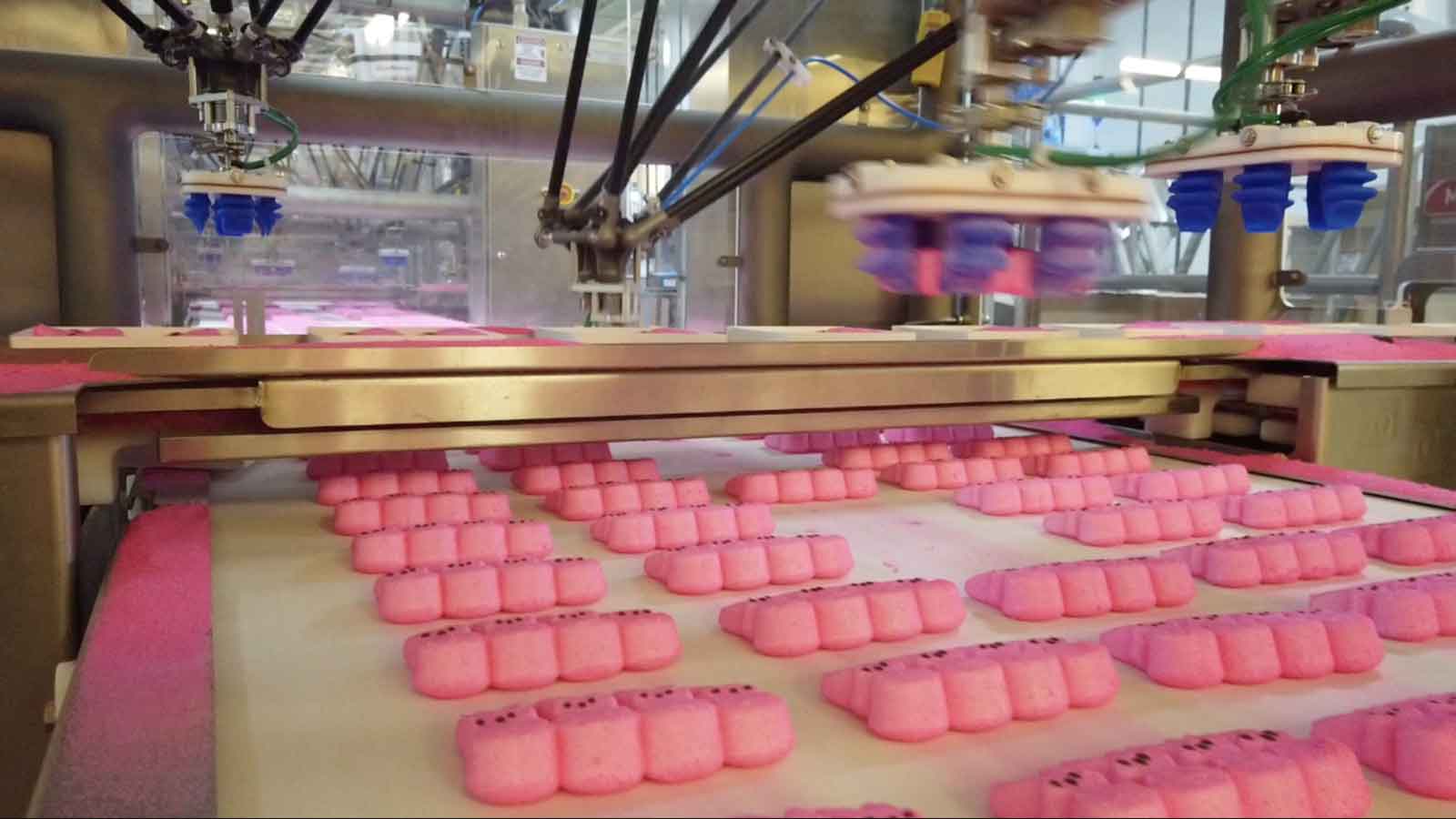
There's a fundamental difference between secondary packaging and primary handling that changes everything about how a ...
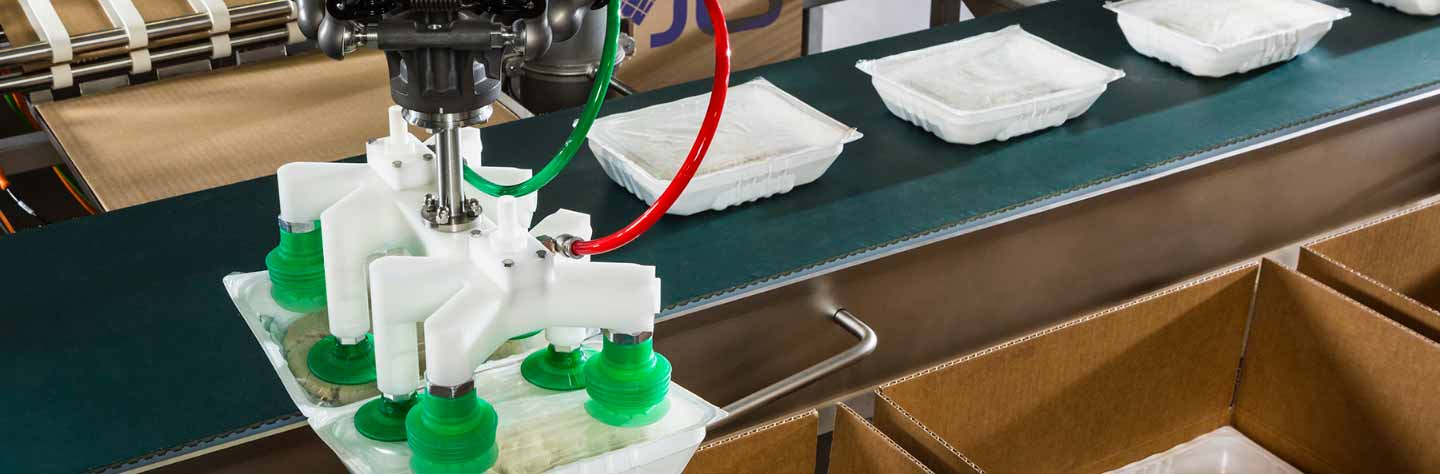
Your tray sealer doesn't wait. It runs at rated speed, producing sealed trays at a pace set by your thermoformer and ...
When something goes wrong on a packaging line — a timing fault, a recipe error, a communication dropout between the ...
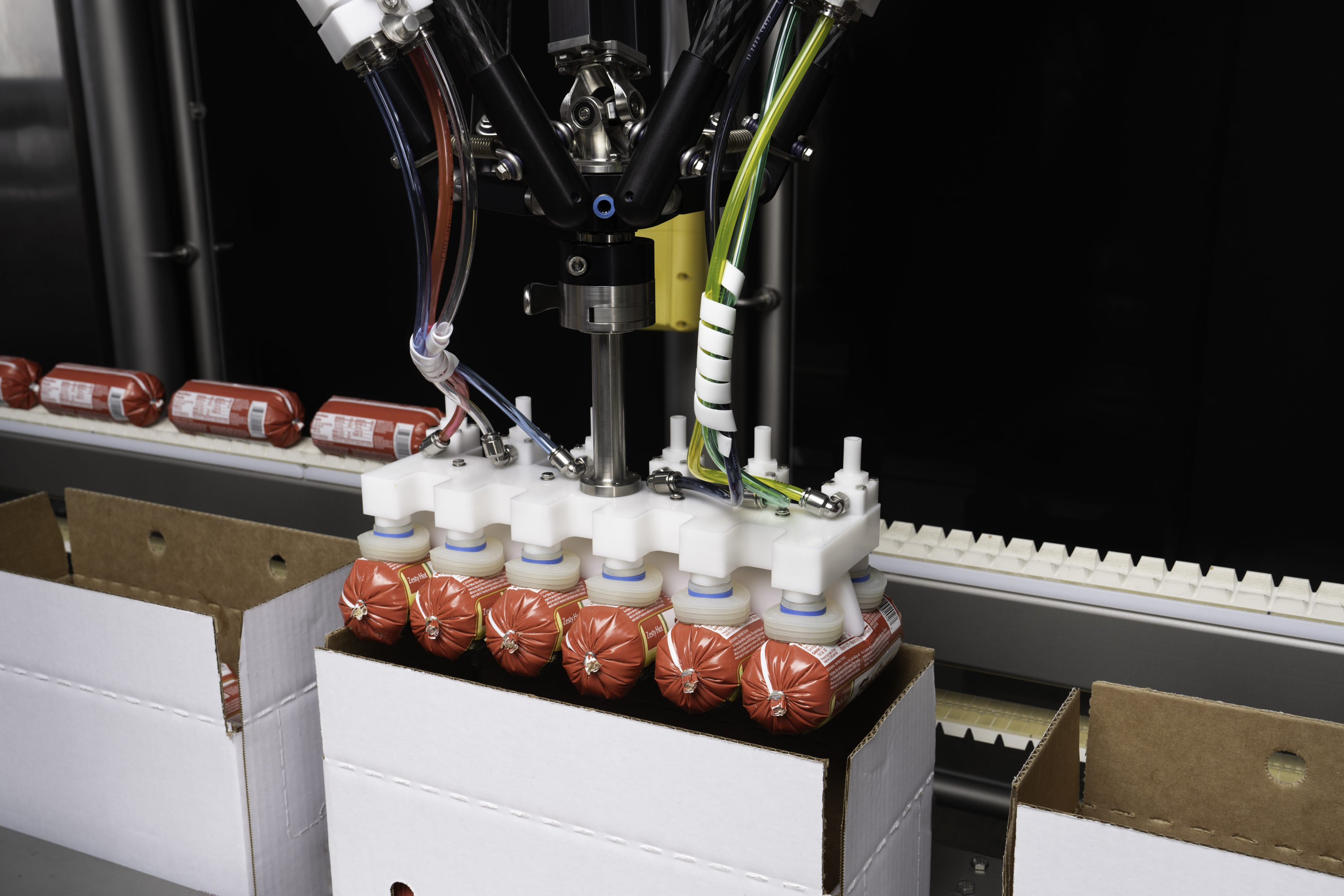
For decades, the biggest obstacle to automating chub case packing wasn't the robot — it was the conveyor.